













.jpg)
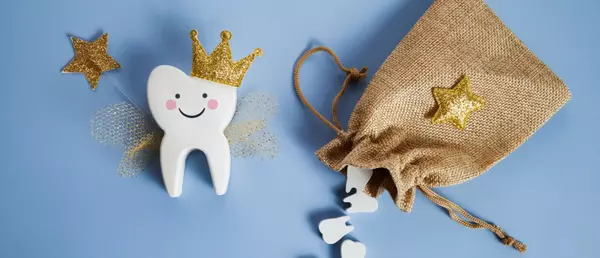
Like some of the fantastic creations who oversee children, the tooth fairy is a relative newcomer to the world of childhood fantasies.
National Tooth Fairy Day celebrates the magical character who makes losing baby teeth fun for children. The Tooth Fairy is a beloved tradition where kids leave their lost teeth under their pillow and wake up to find money or a small gift in return. This day honors the joy and imagination the Tooth Fairy brings while also reminding families about the importance of good dental habits. The Tooth Fairy helps make the process of growing up exciting instead of scary. As children lose their baby teeth and grow permanent ones, this fun tradition makes the transition feel special and less worrisome. National Tooth Fairy Day also encourages children to brush, floss, and take care of their teeth every day.
The idea of the Tooth Fairy is believed to have started in the early 1900s in the United States. It was inspired by older European traditions where children were given coins for their lost teeth. Over time, the concept of a magical fairy visiting at night became popular in North American culture. By the mid-20th century, the Tooth Fairy became a common household tradition. She is often depicted as a small, winged figure who visits quietly during the night. Her story has been featured in books, movies, and cartoons, becoming a cherished part of childhood in many families.
1920s
In the mid-1920s, fairies were used for all sorts of health education, from bath fairies to fresh air fairies as a way to get kids to remember to eat their vegetables, wash behind their ears and get a good night's rest. Like toothpaste today advertises fruity flavors and sparkles to get kids excited to brush their teeth, in 1925, it was probably quite a bit more difficult considering the pastes were mostly peroxide and baking soda. One advertisement was for a Fairy Wand Tooth Whitener.
Then in 1927, Esther Watkins Arnold printed an eight-page playlet for children called The Tooth Fairy. The same year Sir Arthur Conan Doyle "proved" his claim that fairies and gnomes are real and "verified" with pictures of two little girls surrounded by fairies. The world was ripe with imagination and primed to have a tooth fairy to come collect the lost teeth of little boys and girls and leave a coin or two behind.
Arnold's play began to be performed in schools the following year, and the tooth fairy has been slipping into homes ever since. She (or he) started leaving nickels and dimes under the pillows of sleeping children. Over the years, there have been variations on the theme.
In 1942, in an article written by columnist Bob Balfe in the Palm Beach Post, his children received War Stamps to put in their books when they lost a tooth. It was a popular alternative during a time when giving to the war effort was a motivating factor.
Children's author, Katie Davis, created the February 28th observance of National Tooth Fairy Day. While there is also an August 22nd observance, it is interesting to note the two observances are six months apart and dentists recommend to have cleanings twice annually.
Tooth Fairy FAQ
Q. Do other countries believe in the tooth fairy?
A. Fairies, in general, are found worldwide, but the tooth fairy is a unique creature. The United Kingdom practices similar tooth fairy traditions. However, in other parts of the world like Spain, France, and Mexico, a little mouse pays a visit leaving little treats in exchange for the tooth.
Q. Are adults visited by the tooth fairy?
A. No. Losing an adult tooth usually means a visit to the dentist.
Q. When do children usually lose their first tooth?
A. Children lose their first tooth around the age of 6 years old.